

Music in Emotional Movie Scenes: Ever watched a movie scene that made you tear up and then realized it wasn’t just the acting or the story, but the music that hit you right in the heart? That slow violin, that soft piano note, that swelling orchestra right before the big moment. It’s almost like music knows exactly where your emotions live and gives them a little nudge.
Music in movies is more than background noise. It’s the emotional language that speaks when words fall short. It sets the mood, builds tension, and sometimes, it even becomes the soul of a scene. Imagine watching Titanic without “My Heart Will Go On,” or Interstellar without Hans Zimmer’s organ-filled soundtrack. They just wouldn’t feel the same.
Let’s take a deep dive into why music makes emotional scenes so powerful and why it stays with us long after the credits roll.
1. Music Speaks the Language of Emotion
Humans react to music in a way that’s almost instinctive. You don’t have to understand the lyrics (or even have any lyrics at all) to feel something. That’s why composers like Hans Zimmer (Inception, The Dark Knight) or Thomas Newman (The Shawshank Redemption) are so effective they use tone, rhythm, and melody to mirror the emotions of the characters on screen.
Take The Shawshank Redemption, for instance. When Andy Dufresne plays Mozart’s “Duettino” through the prison loudspeaker, the music becomes a form of rebellion, pure, emotional freedom in a world built on walls. It’s a short moment, but it hits hard because we feel what the inmates feel: peace, even for a second.
Music allows the audience to connect emotionally without needing an explanation. It’s not telling us what to feel, it’s helping us feel it deeper.
2. It Shapes the Way We Remember a Scene
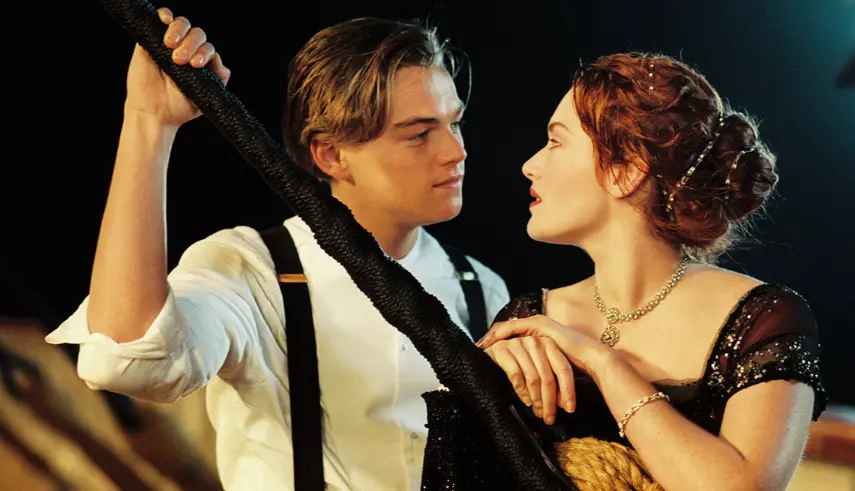
Think about Titanic. Most people don’t just remember Jack and Rose standing on the bow of the ship, they remember the haunting melody of “My Heart Will Go On.” That song became a symbol of love, loss, and nostalgia.
Or take The Lion King. When Mufasa dies, the music doesn’t scream sadness, it quietly breaks your heart. The strings soften, the choir fades, and the silence that follows carries more emotion than words ever could.
Film composers understand that music isn’t just there to fill the silence it creates memory. When the right melody pairs with a moment, that memory sticks with you.
3. Music Builds Tension Before We Even Realize It
Let’s shift from tears to chills. Ever noticed how horror movies make you tense before something even happens? That’s music doing its magic.
Take Jaws, for example. The shark theme with just two notes, “da-dum, da-dum” has become one of the most recognizable pieces of film music ever. You don’t even need to see the shark. The second you hear it, your body reacts. Your heart rate goes up, your breathing changes.
That’s the power of sound design and musical timing. The best directors know when to let music lead the emotion, and when to let silence do the heavy lifting.
4. It Deepens Character Emotions
Sometimes, music doesn’t just tell us what to feel, it tells us what the character is feeling, even when they say nothing.
In Joker (2019), Hildur Guðnadóttir’s cello-driven score turns Arthur Fleck’s descent into madness into something tragic and poetic. The slow, dark tones mirror his loneliness and confusion. By the time he dances on the staircase, the music isn’t there to glorify him, it’s there to make us understand him.
Similarly, in La La Land, when Sebastian and Mia share their final glance, the music brings back their theme slower, sadder, more mature. It’s like a goodbye between two people who still love each other, even though their paths have diverged. The scene works because the music carries all the unspoken words.
5. The Science Behind the Feelings
Here’s something fascinating: our brains actually react to movie music in a measurable way. Studies have shown that emotional soundtracks activate the same regions of the brain involved in empathy and memory.
That’s why your heart can race during Dunkirk’s ticking-clock score, or why a simple piano melody in Up can make grown adults cry. Music physically syncs with our heartbeat and breathing pulling us deeper into the story.
Film composers know this instinctively. They use tempo to control pacing, key changes to shift emotion, and silence to emphasize pain. The result? We don’t just watch a movie we feel it.
6. When Music Becomes a Character Itself
In some films, the music is so essential it’s almost another character.
Think of Interstellar. The booming organ score doesn’t just support the visuals, it is the emotion. The sound feels cosmic, overwhelming, like the vastness of space itself. Or Inception, where the distorted “Non, Je Ne Regrette Rien” becomes the heartbeat of the movie literally slowing down as the dream deepens.
Even smaller films use this trick beautifully. Call Me By Your Name features Sufjan Stevens’ gentle, reflective songs that feel like diary entries from the characters’ hearts. You don’t need exposition when the soundtrack already speaks their truth.
7. Music Brings Closure
One of the most underrated things music does is give emotional closure. After an intense scene whether it’s joy, grief, or victory, music helps the audience process what just happened.
The ending of Gladiator is a perfect example. As Maximus collapses and the ethereal music swells, we don’t just mourn him, we celebrate his peace. The music gently carries us from chaos to calm.
In a way, the score becomes a bridge between the story and the audience’s emotions. It says, “It’s okay to feel this.” And that’s powerful.
8. Why We Still Talk About It
In the age of streaming and endless content, we often forget how much a good score matters until it’s gone. A well-crafted soundtrack can turn a decent movie into an unforgettable one.
When people say, “That movie made me cry,” what they often mean is: the music made me cry. It’s the invisible thread that ties story, character, and emotion together. And it’s the reason some scenes stay with us for years even when we’ve forgotten the dialogue.
Final Thoughts on Music in Emotional Movie Scenes
Music is the heartbeat of cinema. It doesn’t just sit in the background; it creates the emotional rhythm of a story. It’s what makes us tense up before a scare, tear up during a goodbye, or feel hope when the hero finally wins.
Whether it’s Hans Zimmer shaking our souls in Interstellar, John Williams making us believe in magic with Harry Potter, or Ennio Morricone painting silence with sound in The Good, the Bad and the Ugly music is what transforms film into something we feel.
Next time you watch a movie and your chest tightens at just the right moment, take a second to notice the music. It’s not just playing, it’s speaking to you.