

The sequel to the 2019 film Joker lands with bold ambition, it doesn’t just revisit Arthur Fleck, it re examines what the Joker persona really means through the lens of Arthur Fleck Joker Folie à Deux. This article delves into the character at the heart of the film how Arthur behaves, how his roles shift, and what this new chapter reveals about him (and the world around him).
Setting the Stage for Arthur Fleck
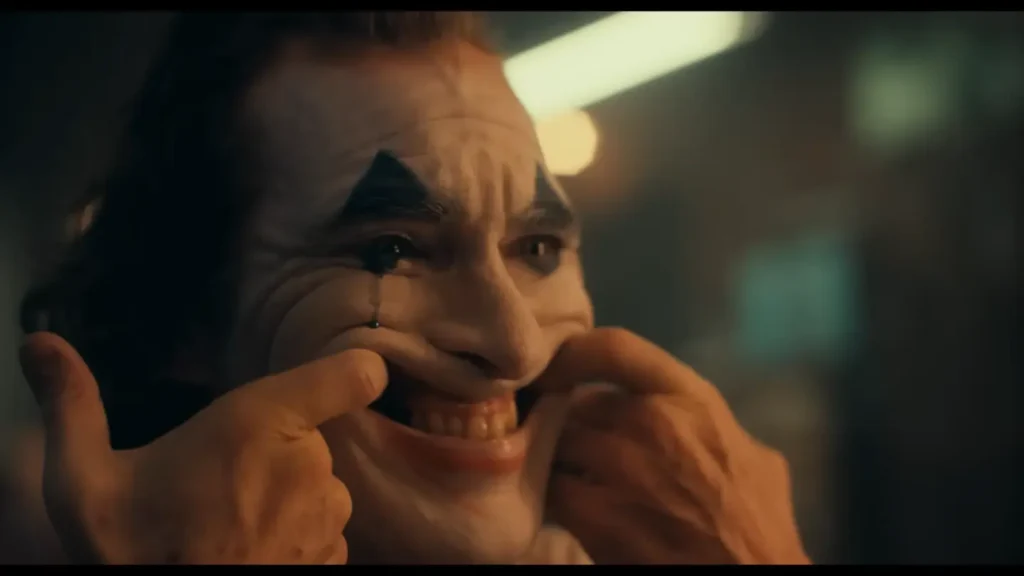
By the time the sequel begins, Arthur Fleck is institutionalised at Arkham State Hospital, awaiting trial for the crimes committed in the first film. He is no longer just a clown with delusions of grandeur, but a man under legal scrutiny, surrounded by guards, dismissed by therapists, and watched by a society that once enabled his eruption into the Joker persona. This behaviour highlights Arthur Fleck Joker Folie à Deux.
What’s fascinating here is how the character acts: he’s quieter at first, unstable but not flamboyant; his voice is low, his body language minimal the iconic laugh and flamboyance of the first film are subdued. Many scenes show Arthur stripped down, almost powerless, and this functions as a foundation for the transformation that follows.
Transition Back Into Joker – And What That Means
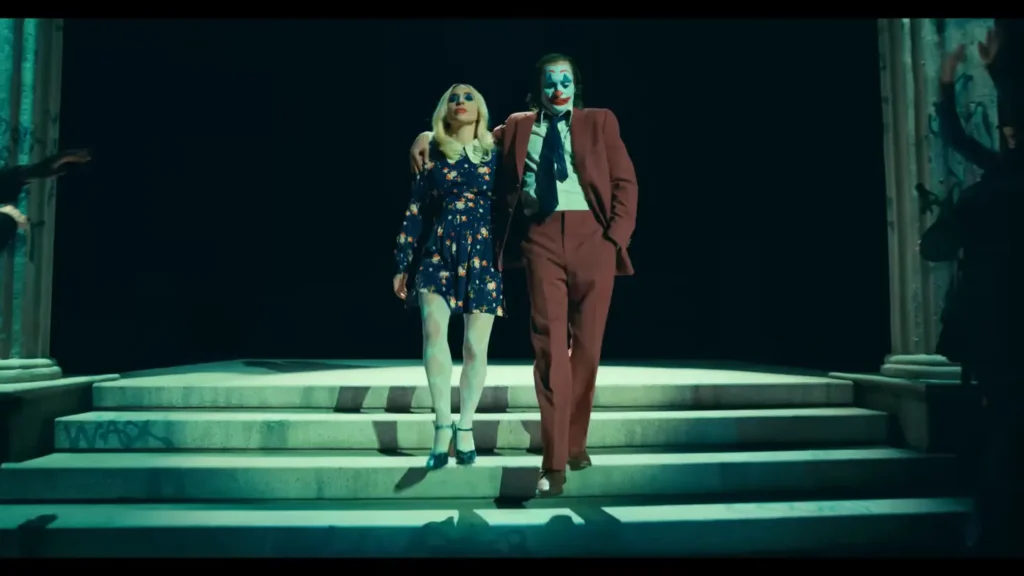
Despite his quiet beginning, the sequel carefully rebuilds Arthur’s path toward the Joker persona but not quite the same clown prince of crime viewers might expect. The subtitle Folie à Deux (literally “madness of two”) hints that Arthur’s journey is intertwined with another character (Lee Quinzel, played by Lady Gaga) and his actions become less singular and more relational.
Important behaviours of Arthur in this film:
- He stops taking medication, allowing impulses (harshly suppressed in the first film) to bleed into his reality.
- He engages in musical style sequences, adopting showy, theatrical gestures, but they’re deliberately uncomfortable and off kilter. (Yes there are songs.)
- His relationship with Lee shifts him from inward self obsession toward a kind of external performance: Joker as spectacle, Arthur as puppet.
In effect, Arthur doesn’t so much become Joker in this film as he abandons the attempt to be just Arthur. It’s a reversal: the mask overtakes the man, but at the same time the man recognises how hollow the mask has become. Many critics argue the film suggests “There is no Joker only Arthur Fleck.”
Arthur’s Behaviour & Key Scenes
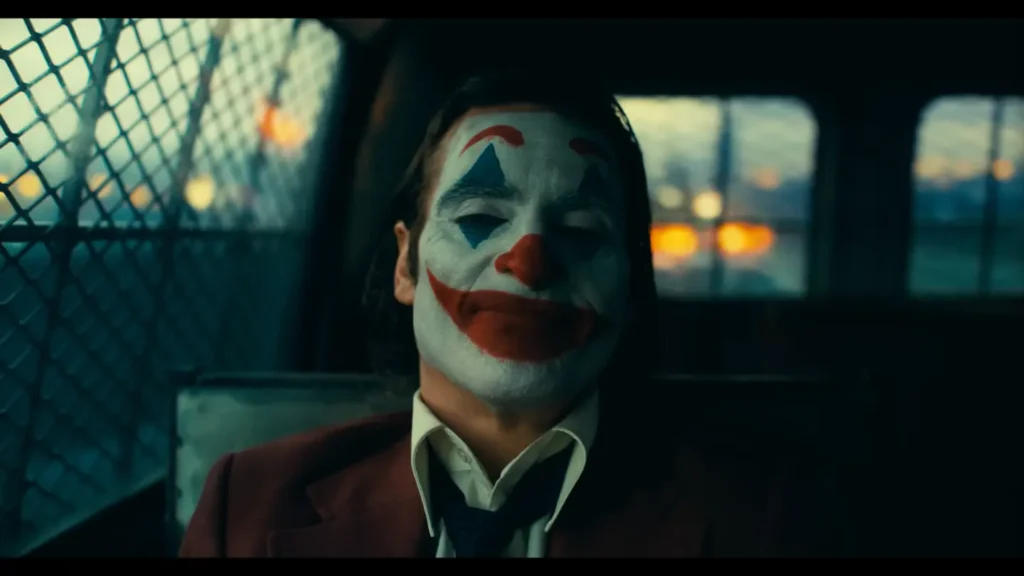
Joaquin Phoenix delivers a haunting performance as Arthur Fleck, capturing the character’s mixture of vulnerability and chaos in every scene. Several scenes standout for how Arthur acts, and what they reveal:
- Courtroom scenes – Arthur represents himself, kills the persona of Joker mid‑trial, stammers his way through confessions. One moment: “There’s no Joker. There’s only Arthur.” That line underscores a character shift: he moves from playing a role to rejecting it.
- Prison hallways – Body beaten down, guards mocking, fellow inmates adoring and then violently rejecting him. Arthur’s return to the Joker persona isn’t triumphant but desperate. He’s reborn, but wounded.
- Musical sequences – Arthur dressed up, performing, dancing. It feels absurd, unsettling. The performance becomes a mask within a mask. His behaviour oscillates between quiet self‑loathing and theatrical show‑man mania.
- Final moments – Arthur’s demise: stabbed by an admirer turned killer in prison. That act flips his behaviour: no longer the instigator of chaos, but the victim of it. He watches his own myth implode.
Through these moments Arthur acts with a mixture of resigned acceptance and twisted defiance. He’s both haunted and haunted by his own myth.
Character Themes: Identity, Performance & Self Rejection
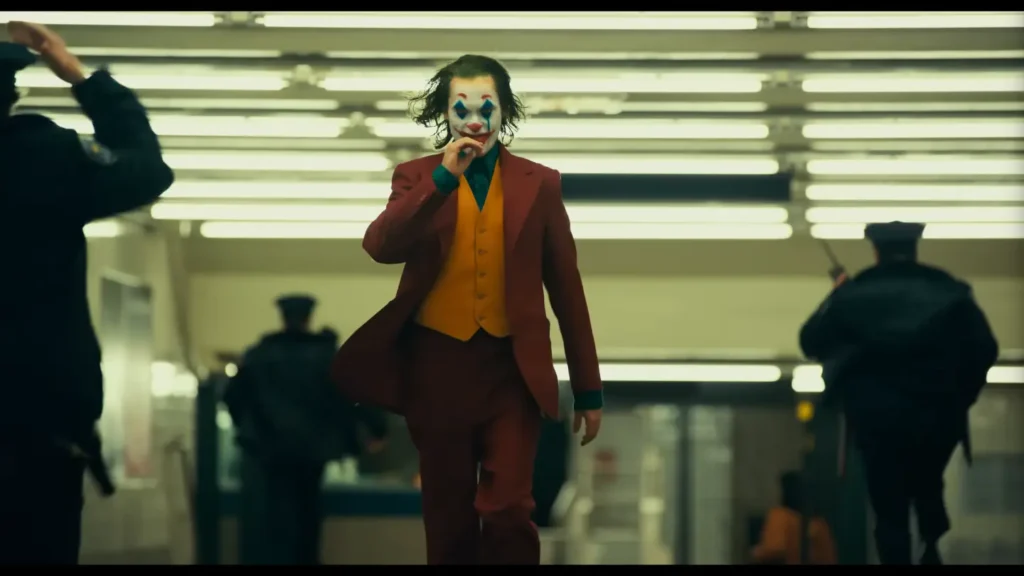
Arthur’s behaviour in this film can’t be understood without exploring three interlocking themes:
Identity
In the first film Arthur becomes the Joker. Here, he struggles with being Arthur and the idea of Joker. The film suggests identity is a performance and Arthur questions which role he’s playing. He flips between being a victim, villain, showman, and ghost.
Performance & Spectacle
Arthur’s actions become more about show: whether in court, in musical numbers, or in prison cell walls, he moves for an audience. He reacts to how others see him and behave accordingly. The Joker as a brand, Arthur as a billboard. The behaviour of the character underscores this: posing, dancing, performing until he stops caring.
Self Rejection & Collapse
At one point Arthur abandons the Joker persona, telling everyone it was never real. That behaviour flips the entire concept on its head. The persona he built to survive becomes his trap. His behaviour veers less into “I will change the world” and more “I have been changed by the world.” Many viewers felt the character ends not in triumph but in collapse.
What the Behaviour Suggests for Audiences
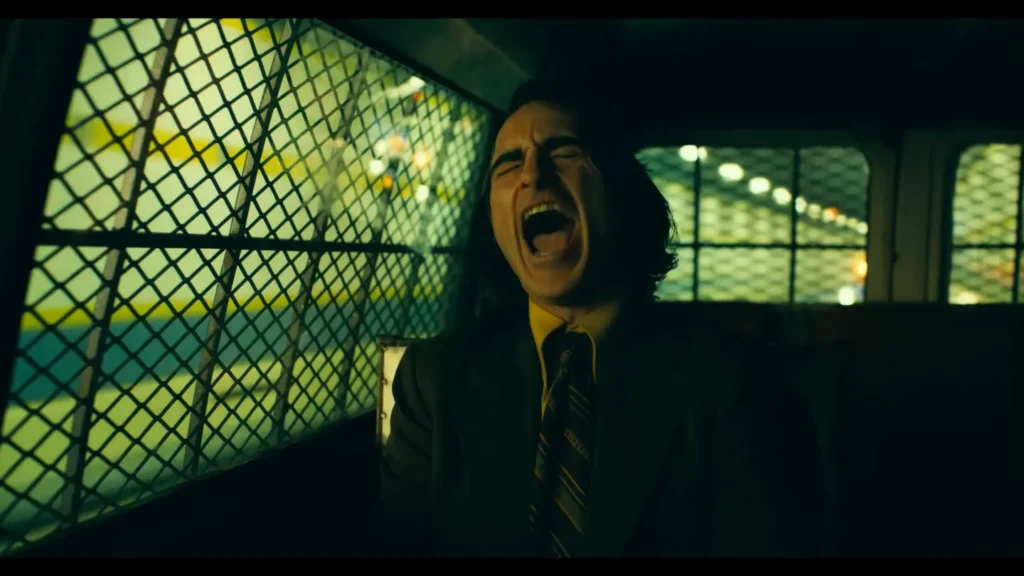
Watching Arthur act in Folie à Deux means stepping into discomfort. The scenes don’t always give relief, but they ask: What happens when the mask falls off? What if the person behind the chaos wanted something else entirely?
Audiences will notice how:
- Arthur’s laughter often comes late, after being wounded, stripped of pride.
- His interactions with Lee are less about mutual love and more about shared wreckage. Behaviorally, Arthur is less in control and more reactive.
- His charisma as Joker re emerges, but it’s hollow, echoed. The camera often lingers on him watching other people performing his role.
The net effect: Arthur Fleck acts like both protagonist and ghost. He’s central, yet also peripheral to his own story.
Why This Version of Arthur Matters
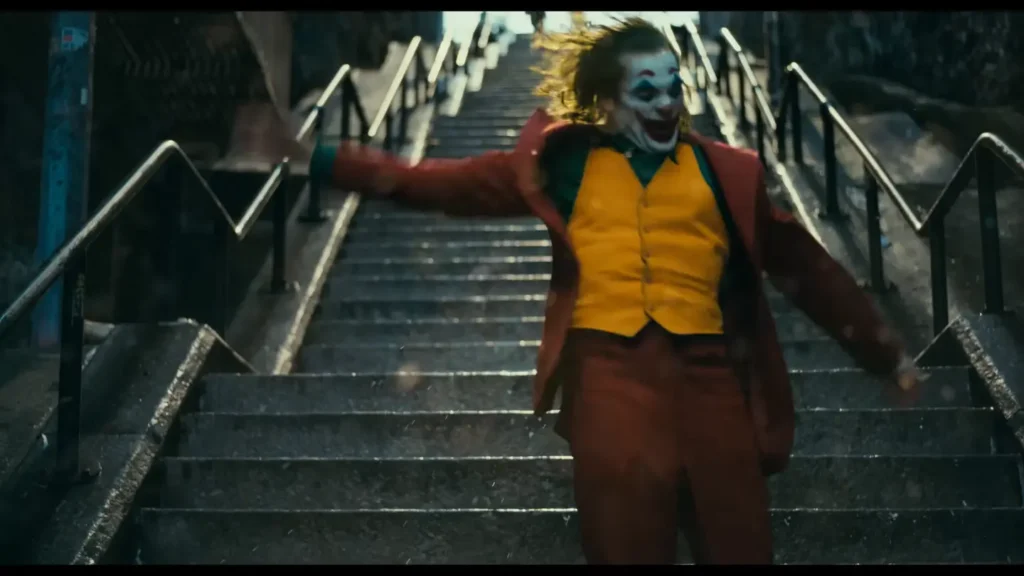
By choosing to depict Arthur this way as broken, almost defeated, performing the clown dance but not owning it the character becomes a mirror. Not just for villainy, but for the human condition: how trauma, identity, expectation shape behaviour.
His behaviour matters because in the world of comic book adaptations, villains often act with confidence, purpose, and dominance. But Arthur’s behaviour here is hesitant, fractured, retrospective. It shifts how the Joker label is viewed. He isn’t the Joker mastermind; he’s a casualty of his own myth.
Final Thoughts on Arthur’s Arc – Arthur Fleck Joker Folie à Deux
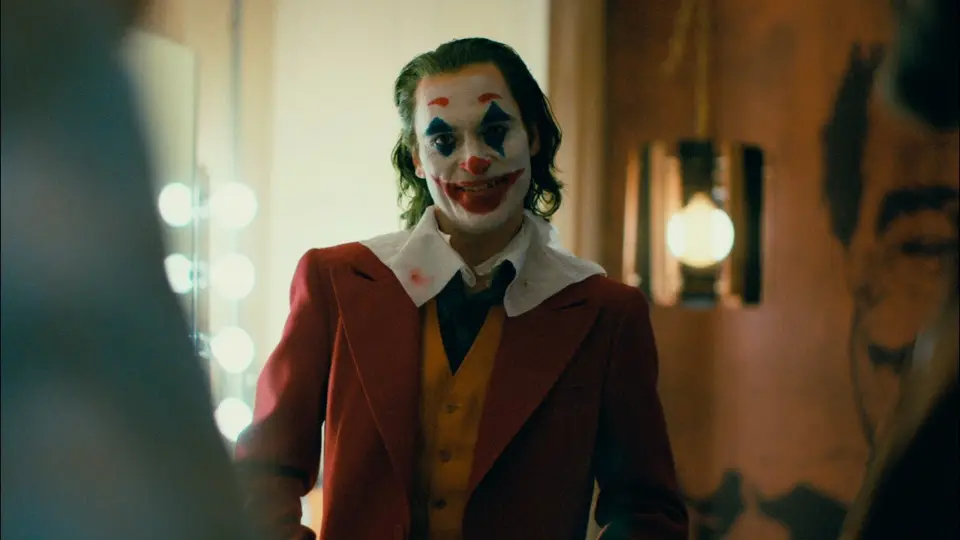
Arthur Fleck Joker Folie à Deux doesn’t act like the usual villain. He acts like a man who built a monster and then realised the monster built him. His behavioural journey moves from passive victim, to theatrical clown, to disillusioned wreck. It’s strange, unsettling, and certainly not the triumphant transformation many expected but perhaps that’s the point.
This film doesn’t present Arthur as the Joker so much as Arthur watching a Joker legend unfold. His behaviour becomes retrospective, performative, broken. The result? A character study more than a comic book sequel. Whether it resonates or frustrates depends on the viewer but Arthur’s behaviour here demands attention.